Advice from Our Experts: Steve Francis
This segment will feature event experts from across Event Management, giving you insider knowledge so that you can make the most of your next event.

Our latest expert is Steve Francis, Director of Technical Services for Event Management. From donor galas and conferences to campus celebrations, technology plays a critical role in shaping the guest experience, often in ways attendees never notice. We spoke with Steve about how event planners can use audiovisual production, lighting, and technology to create events that feel polished, engaging, and memorable.
One of Steve’s biggest pieces of advice is to think about AV from the very beginning of the planning process.
“My belief is to consider AV at the outset of your planning,” he said. “Consulting with our sales team and AV managers early helps determine what microphones are best suited for your event, what equipment may be needed for presentations, and even tools like speaker timer clocks to help keep conferences on schedule.”
When AV planning starts early, technical elements become a seamless part of the event rather than a last-minute consideration. It also gives planners the opportunity to identify potential challenges before they become problems. For planners looking to make a significant visual impact, Steve says lighting is often one of the most effective investments.
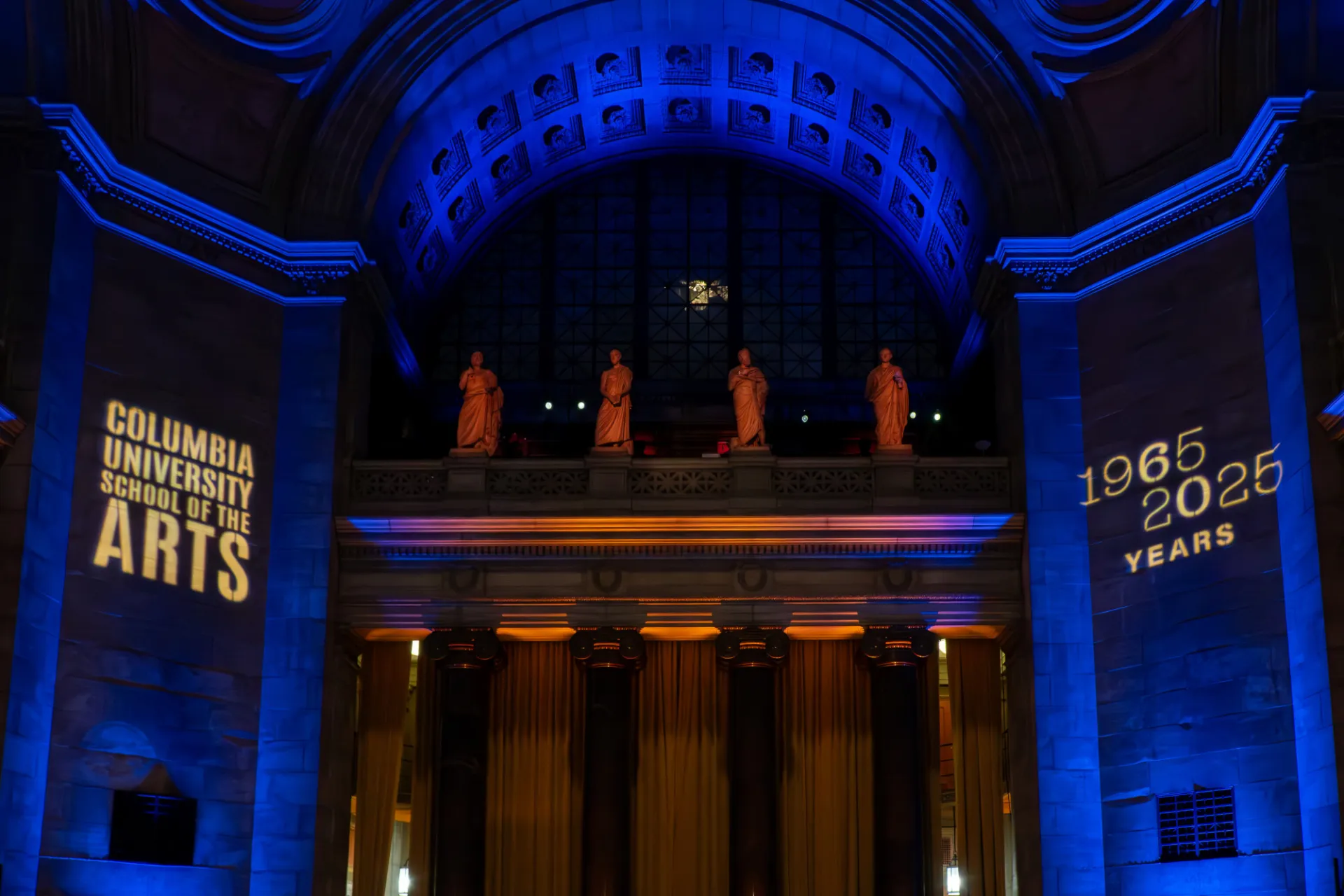
“Uplights, strip lights, and gobos are very impactful, especially for evening events,” he said. “Custom gobos are surprisingly inexpensive, so projecting a department logo, company logo, or event name can really make a statement.”
Lighting can highlight architectural features, reinforce event branding, and transform familiar spaces into entirely new environments, all without dramatically increasing costs. Event Management’s AV packages offer several lighting options that can elevate the look and feel of an event while remaining budget-conscious.
As technology continues to evolve, Steve has also seen growing interest in interactive tools that encourage audience participation.
“The use of QR-code-based web applications is becoming more popular for an interactive experience,” he said. “Apps for polls, voting, and audience Q&A can create greater engagement while allowing moderators to manage questions in real time.”
For University events, conferences, and panel discussions, these tools can help audiences feel more connected to the program while making participation more accessible. When asked about common production challenges, Steve points to one document that is often underestimated: the run of show.
“I think the most commonly overlooked item is the run of show or agenda,” he said. “It's simple, but incredibly powerful because it allows the AV team to understand the flow of the event and anticipate potential challenges before they arise.”
A detailed run of show can reveal important production requirements that may not have been discussed elsewhere. It also helps ensure presenters, performers, and technical teams remain coordinated throughout the event. Steve also recommends having presentation materials ready at least one day in advance so the AV team can test slide decks, videos, and other media before guests arrive.
While lighting often gets the spotlight, Steve believes another enhancement can have an equally powerful effect on guest experience: music.
“Choosing the right music to match the vibe of your event can make a tremendous difference, especially while guests are arriving,” he said. “The mood in the room influences how guests respond to the programming that follows.”
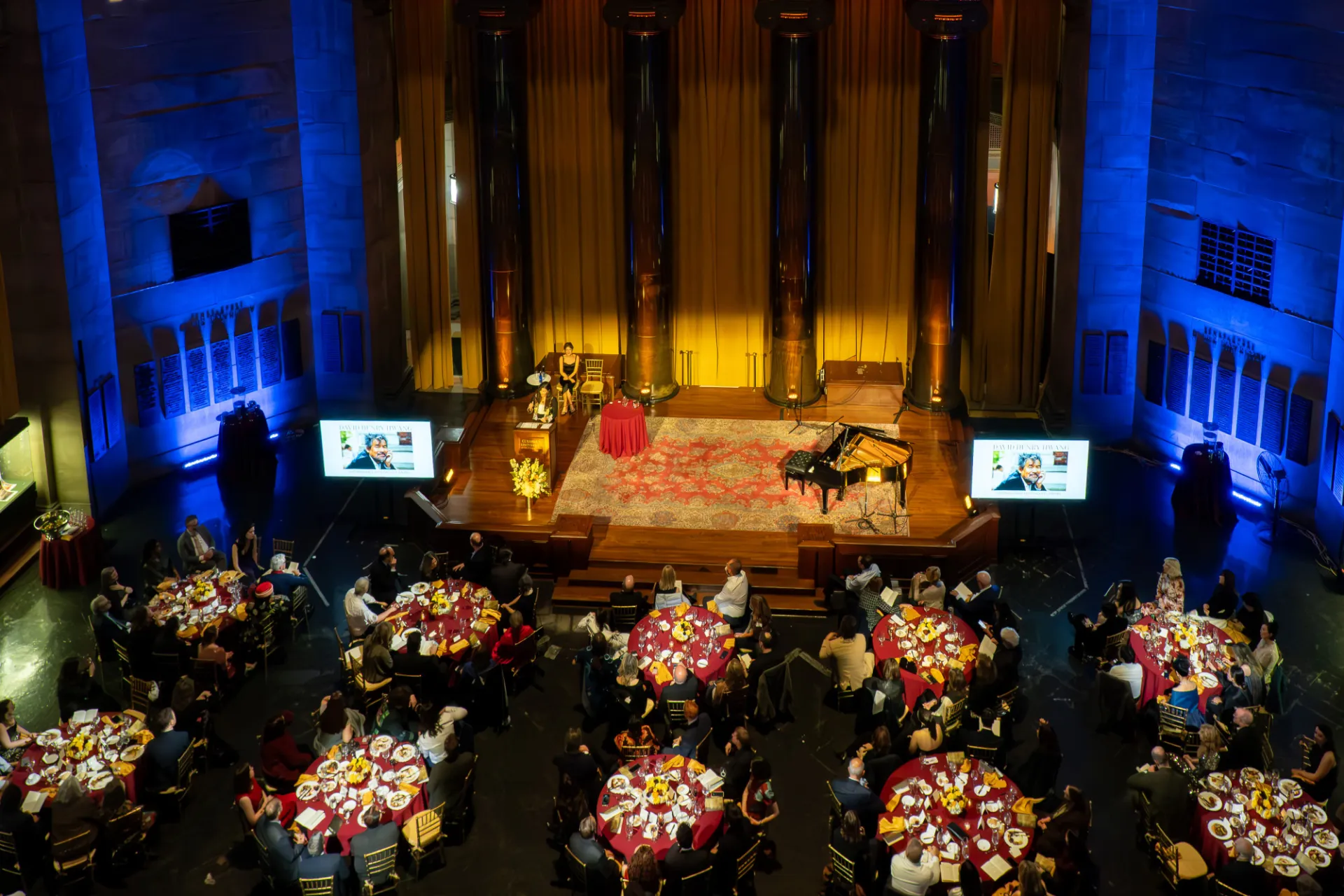
Whether it's energizing attendees before a day-long conference or creating an elegant atmosphere for a formal gala, thoughtful background music helps set the tone from the moment guests walk through the door. Steve recently saw the impact of these elements come together during the School of the Arts Gala at Low Library.
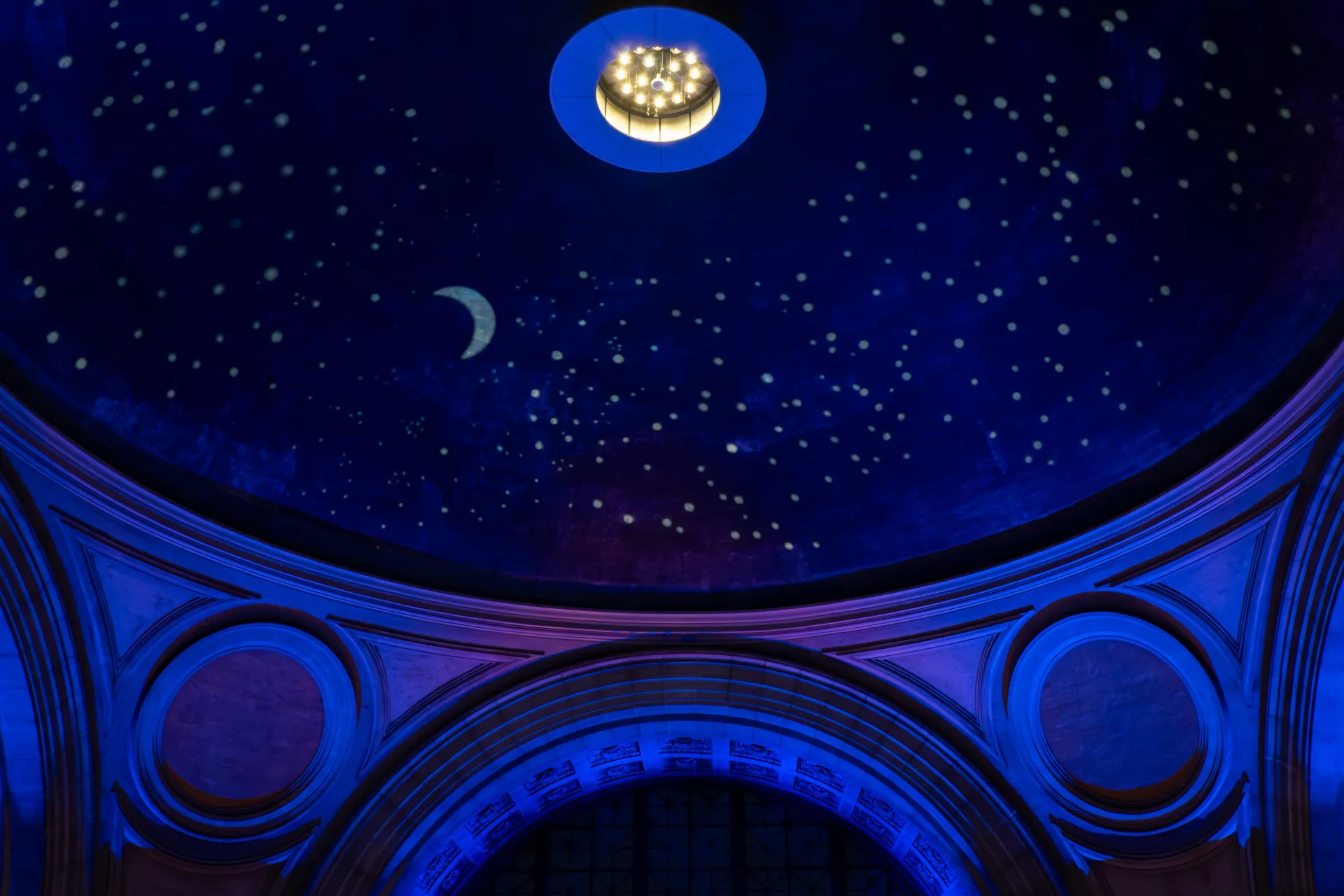
“We illuminated the columns and benefactor walls, but we also highlighted the gallery ceilings and statues throughout the space,” he said. “We used rotating gobos to create a twinkling-star effect inside the dome and pin-spotted the tables. The entire venue was transformed.”
The result was an immersive environment that elevated the guest experience and demonstrated how strategic lighting and production design can completely reimagine a space.
“No matter the event, thoughtful AV planning can enhance both the atmosphere and the audience experience,” Steve said. “When technology is planned well, it becomes an invisible part of what makes an event successful.”